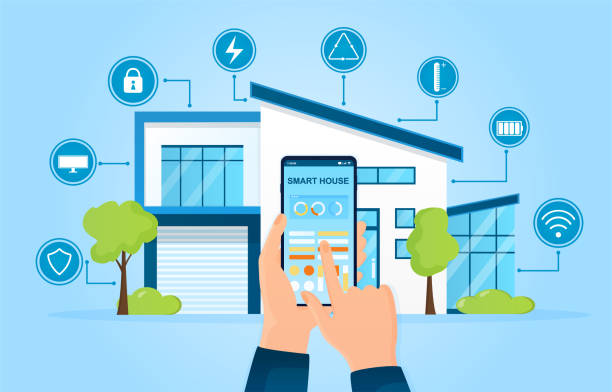
A few years ago, when someone said they had a smart home, it sounded like they were living in some kind of mini version of a Iron Man setup. Lights turning on with voice, AC adjusting automatically, cameras you can check from office. It felt extra. Fancy. Slightly show-off type.
Now? It’s slowly becoming normal. Almost expected.
I remember visiting a friend in Gurgaon around 2022. He had installed smart lights and a video doorbell. At that time I thought, “Bro, you think you’re in Silicon Valley or what?” But last month I was literally searching online for the same smart doorbell because my society WhatsApp group keeps sharing random theft videos. Funny how fast things change.
The shift didn’t happen because people suddenly became rich. It happened because life became more complicated. We want convenience, security, and honestly, a little control over chaos.
Convenience Is Not Laziness, It’s Survival
Let’s be real. Everyone is busy. Office, traffic, side hustle, gym (or at least the guilt of not going to gym). When you come home after a long day, even small tasks feel heavy.
Turning off lights you forgot upstairs. Adjusting the thermostat in the middle of the night. Checking if you locked the door after leaving for a trip.
Smart homes basically remove these micro-stresses. And these small things add up. It’s like having UPI instead of standing in ATM lines. Once you get used to it, going back feels painful.
Financially also, it makes more sense than people think. A smart thermostat can reduce electricity bills by optimizing usage. Some studies say smart energy systems can cut energy consumption by around 10–15 percent annually. That may not sound huge, but over 5 years? That’s serious money. It’s like small leaks in a bucket. You don’t notice daily, but your water level keeps dropping.
Earlier luxury meant marble flooring and fancy chandeliers. Now luxury means saving time and energy.
Security Anxiety Is Very Real
If you scroll through Instagram reels or Twitter (okay, X, but no one really calls it that), you’ll constantly see CCTV clips. Break-ins. Package theft. Random strangers checking door handles.
People are more aware now. Maybe too aware.
Smart cameras, motion sensors, smart locks — they are not about showing off tech. They are about peace of mind. When you can check your house from your phone during a vacation, your brain relaxes. And mental peace has value.
There’s also a practical angle. Insurance companies in some regions offer better premiums for homes with security systems. Not everyone talks about this part. It’s kind of like installing a dashcam in your car. You hope you never need it, but when you do, you’re thankful.
The Pandemic Changed The Equation
I don’t think we can talk about smart homes without mentioning COVID-19 pandemic. During lockdown, our homes became office, gym, school, cinema hall, everything.
Suddenly, internet speed mattered more. Good lighting for Zoom calls mattered. Air quality mattered. People started investing in air purifiers, smart plugs, better routers.
Once you upgrade for necessity, you don’t downgrade. That’s human nature.
I personally bought my first smart plug during that time. It was cheap, nothing crazy. But controlling my table lamp from phone felt oddly satisfying. Like small power in a world that felt out of control.
And companies noticed this behavior shift. Brands like Amazon and Google pushed devices like Amazon Echo and Google Nest aggressively. Prices became affordable. EMI options everywhere. Accessibility increased.
What was once luxury tech became middle-class friendly.
Rising Utility Costs Are Forcing Smarter Living
Electricity prices are not going down. Water scarcity is becoming serious in many Indian cities. Smart systems that monitor usage are not just “cool gadgets.” They are management tools.
Think of it like having a fitness tracker for your house.
If your smart meter shows unusual spike in electricity at 2 am, you investigate. Maybe AC is running inefficiently. Maybe some appliance is faulty. Without data, you’re just guessing.
Data gives control. And control saves money.
We talk so much about financial planning, SIPs, mutual funds. But what about reducing monthly burn rate? A smart home is like cost-cutting software for your physical life.
Not dramatic, just practical.
Social Media Pressure Is Also A Thing
Okay, I’ll say it. There is some FOMO involved.
When influencers casually say, “Alexa, turn on chill vibes,” and the lights go purple, it looks aesthetic. It looks future-ready. People want that vibe.
But behind the aesthetic, there’s a shift in mindset. Tech integration is becoming identity. Having a smart home says you are updated, modern, efficient.
Even real estate listings now highlight “smart-enabled apartments.” Builders know buyers care. In metro cities, smart features are slowly moving from brochure highlight to default expectation.
If new buyers expect it, developers will include it. Simple demand-supply.
It’s Not Just Big Cities Anymore
Earlier smart homes were mostly urban elite concept. Now even tier-2 cities are catching up.
Affordable smart bulbs cost less than a dinner at a decent restaurant. Smart plugs are cheaper than branded shoes. When entry cost drops, adoption increases.
Technology always follows this curve. First expensive. Then mainstream. Like smartphones. Remember when touchscreen phones were rare? Now even a budget device has features that older flagships didn’t.
Smart homes are following the same path.
Are There Downsides? Of Course
Let’s not pretend everything is perfect.
Privacy concerns are real. Devices connected to internet can be hacked. Data collection is a genuine issue. Not everyone feels comfortable with microphones inside their home.
And sometimes, honestly, tech glitches are annoying. Imagine telling your speaker to turn off lights and it responds with “I’m sorry, I didn’t understand that.” At 1 am. Not fun.
There’s also over-dependence. If WiFi goes down, suddenly half your “smart” setup feels dumb.
So yeah, it’s not flawless. But neither is anything else.
So Is It Really A Necessity?
Maybe not in the dramatic life-or-death sense. You can survive without smart lights and voice assistants.
But in the modern context of rising costs, security concerns, work-from-home culture, and time scarcity, smart homes are becoming logical upgrades.
It’s like owning a washing machine. Technically, you can wash clothes by hand. But would you want to?
Smart homes are slowly entering that category. Not luxury for the rich. Not toy for tech geeks. Just practical tools for smoother living.
And honestly, once you try controlling your entire house from your phone while lying in bed, it’s very hard to go back. Trust me. I laughed at it once. Now I’m the one saying, “Alexa, good night,” like I’m in some sci-fi movie.
Life moves fast. Homes are just trying to keep up.