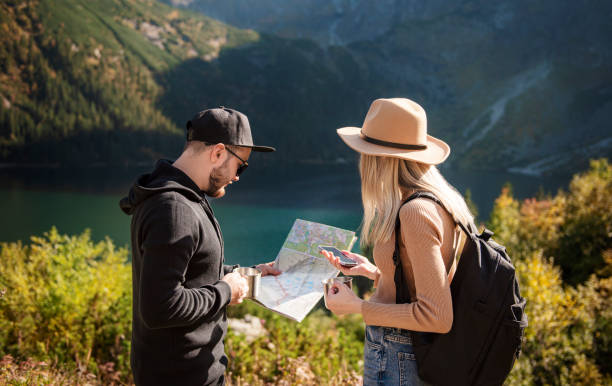
Somewhere between scrolling Instagram reels at 1 AM and checking flight prices for the 17th time, I realized something. Budget travel is not just about being broke. It’s about being smart. Or at least trying to be.
In the last few years, I’ve seen more people skip places like Paris or Dubai and instead go to smaller towns, quiet beaches, or random mountain villages that don’t even have proper WiFi. And honestly, I kind of love that shift.
Earlier, travel used to mean ticking off famous cities. Take a selfie at the Eiffel Tower, post it, come back home. But now, budget travelers are exploring hidden destinations more than ever. And no, it’s not only because their bank balance is crying.
The Price of “Popular” Is Getting Out of Control
Let’s be real for a second. Traveling to famous spots has become expensive in a way that feels personal. Flights cost more, hotels cost more, even coffee in tourist-heavy areas feels like it’s priced in gold.
I once paid almost 8 euros for a small coffee near a popular landmark. I’m still not over it.
When you compare that to a small local town where you can get a full meal for the same price, the decision becomes obvious. Budget travel is kind of like grocery shopping. You can buy the branded cereal at double the price, or you can get the off-brand that tastes almost the same. Hidden destinations are that off-brand cereal. Less hype, same experience, sometimes even better.
There’s also something people don’t talk about much. Tourist taxes. Many big cities now charge extra taxes for overnight stays. It may not sound like a lot per night, but over a week it adds up quietly. Budget travelers notice these things. Every little cost matters.
Social Media Changed the Game in a Weird Way
Ironically, social media is partly responsible for this trend.
Platforms like Instagram and TikTok have made famous places overcrowded. The moment a location goes viral, it’s done. Prices shoot up, crowds double, and suddenly it’s not that magical anymore. I saw a reel once about a “secret beach” and within months it wasn’t secret at all.
At the same time, social media also exposes lesser-known spots. Travel vloggers now showcase tiny villages, underrated cities, and offbeat hiking trails. And budget travelers are paying attention.
There’s even data from booking platforms suggesting that searches for “underrated destinations” and “hidden gems” have increased over the past couple of years. People are literally typing “less crowded places to visit” into Google. That says a lot.
It’s almost like everyone is tired of standing in lines just to take the same photo as a million others.
Experience Over Bragging Rights
I think one big shift is psychological. Earlier, travel was about saying “I’ve been there.” Now it’s more about “I felt something there.”
Hidden destinations often offer slower, more personal experiences. You actually talk to locals. You eat food that isn’t adjusted for tourists. You see daily life as it is, not curated for visitors.
When I visited a small hill town instead of a famous tourist city, the hotel owner invited us for tea. We ended up talking about his family and farming for almost an hour. That never happens in crowded metro cities where everyone is rushing.
Budget travelers are realizing that value is not always about luxury. Sometimes value is about authenticity. That sounds cheesy but it’s true.
And honestly, it feels cooler to say you found an unknown place before it became popular. There’s a little ego boost there too, not gonna lie.
Remote Work Made It Easier
This is something people underestimate. Remote work has quietly changed travel patterns.
With more people working online, they are not restricted to weekend trips anymore. They can stay longer in cheaper, less-known destinations. Big cities are expensive for long stays. Smaller towns are way more affordable if you’re staying for a month.
Digital nomads especially prefer places where rent is low, food is affordable, and life is calm. You don’t need five star hotels when you’re staying for 30 days. You need decent WiFi and cheap groceries.
Some lesser-known cities have actually seen a rise in co-working spaces because of this. It’s kind of funny how a global pandemic reshaped tourism in ways nobody predicted.
Overtourism Is Becoming a Turn Off
There’s also a growing frustration with overtourism.
Cities like Venice have literally struggled with too many tourists. Residents complain, governments introduce entry fees, and travelers start questioning if they’re part of the problem.
Budget travelers, especially younger ones, are more aware of sustainability now. There’s more online chatter about responsible tourism, supporting local businesses, and not destroying natural spots just for photos.
Choosing hidden destinations sometimes feels like a more ethical choice. You’re spreading tourism money to places that actually need it, instead of adding pressure to already overloaded cities.
It’s not perfect, obviously. Once a hidden spot becomes famous, the cycle repeats. But for now, people are trying.
Travel Feels More Personal This Way
There’s something slightly rebellious about avoiding mainstream destinations.
It’s like when everyone was buying the latest iPhone and you decided to stick with your old one because it still works fine. Hidden destinations give that same energy. You’re not following the crowd.
Also, the stories become more interesting. When you tell someone you went to a super popular city, they kind of nod. When you mention a place they’ve never heard of, suddenly they’re curious.
And from a pure financial perspective, it makes sense. Spending less on accommodation and food means you can travel more often. Instead of one expensive trip per year, you might take three smaller trips. That trade-off is attractive.
Travel, at the end of the day, is about freedom. Budget travelers exploring hidden destinations are not just saving money. They’re buying flexibility. And maybe peace of mind.
I’m not saying famous places are overrated. Some are famous for a reason. But the obsession with only big names is fading a bit. People want stories, not just stamps on a passport.
And if that means taking a bus to a random town that barely appears on maps, so be it. Sometimes the best memories come from places you didn’t even plan to visit.