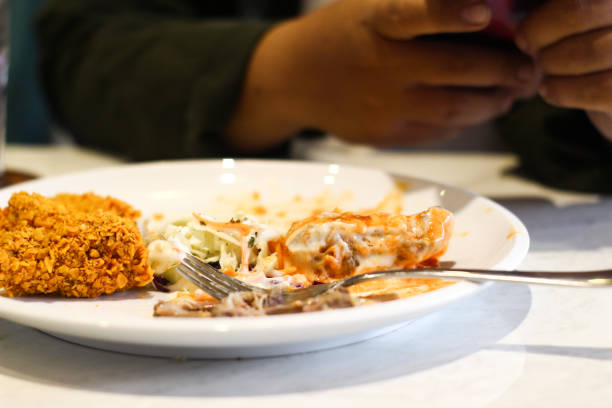
There’s something weirdly powerful about a bowl of mac and cheese. Or maybe for you it’s hot dal-chawal on a rainy evening, or that slightly over-sweet chai your mom makes. Comfort food is not just food. It’s basically edible nostalgia. And honestly, I used to think people were being dramatic about it. Like how can mashed potatoes “heal” anything? But then one stressful week I found myself ordering the same greasy burger three nights in a row. So yeah… I get it now.
Comfort food becomes emotionally addictive because it doesn’t just fill your stomach. It fills some invisible emotional gap. And our brain? It absolutely loves shortcuts. If something made you feel safe once, your brain stores that memory like a bookmarked page. Next time you feel anxious, lonely, bored, or even just slightly annoyed, your brain whispers, remember that chocolate cake? That helped.
There’s actual science behind this too. Foods high in sugar, fat, and carbs trigger dopamine. That’s the same chemical linked to pleasure and reward. It’s kind of like your brain throwing a mini party every time you eat something indulgent. Not a huge party, but enough to make you want an invite again tomorrow.
The Memory Factor Nobody Talks About Enough
I read somewhere that smell is strongly connected to memory, and it makes so much sense. The smell of freshly baked cookies can instantly transport you back to childhood. It’s not the cookie itself. It’s the memory attached to it. Your brain basically mixes food with feelings and stores them together.
For me, it’s rajma rice. I had it almost every Sunday growing up. So now, even if I’m 25 and pretending to be a serious adult, one plate of rajma rice and I feel ten years old again. Bills? Deadlines? Existential crisis? Gone for at least 20 minutes.
This emotional pairing is powerful. According to research from places like the University of Illinois, comfort foods often remind people of close relationships and social connections. It’s less about hunger and more about belonging. Which is kind of sweet and kind of manipulative at the same time.
And social media doesn’t help. Scroll through Instagram or TikTok and you’ll see endless “late night cravings” reels. People romanticizing instant noodles at 2 AM like it’s some aesthetic self-care ritual. We’ve turned emotional eating into a vibe.
Stress, Cortisol and That Midnight Fridge Visit
Let’s talk stress. Because honestly, stress is probably the biggest reason comfort food feels addictive. When you’re stressed, your body releases cortisol. Cortisol increases appetite, especially for high-energy foods. Your body thinks you’re in danger and need fuel. Even if the “danger” is just your boss sending a passive aggressive email.
So you crave pizza. Or fries. Or something cheesy that feels like a warm hug.
Financially, it’s similar to retail therapy. You know when you buy something you don’t really need because you had a bad day? Comfort food is cheaper and faster. Five hundred rupees on fancy shoes might take thinking. Two hundred on dessert? Done. Instant gratification.
And that’s where the addictive cycle starts. You feel bad. You eat something comforting. You feel better temporarily. Then maybe you feel guilty. Then stressed again. And guess what your brain suggests as a solution? More food.
I’ve done this before exams. Instead of studying, I’d snack. Somehow I convinced myself that chips improve concentration. They don’t. They just make you forget the stress for like fifteen minutes.
Is It Actually Addiction Though?
This part is tricky. Technically, comfort food addiction isn’t classified the same way as substance addiction. But behaviorally? It can look similar. Cravings, loss of control, repeated patterns despite knowing it’s not the healthiest choice.
A lesser-known stat I came across from studies published by the Harvard Medical School suggests that ultra-processed foods can light up brain reward pathways in ways that are surprisingly similar to addictive substances. That doesn’t mean your brownie is cocaine. Relax. But it does mean your brain reacts strongly.
And companies know this. Food brands literally test the “bliss point” of products. That perfect balance of sugar, fat, and salt that makes you want just one more bite. It’s not accidental. It’s engineered. Which sounds dramatic but it’s true.
I sometimes feel slightly betrayed by how good chips taste. Like why are they so perfectly salty? Who designed this sorcery?
Loneliness, Boredom and the Emotional Gap
Another thing people don’t talk about much is boredom eating. We’re not even sad sometimes. Just bored. Scrolling through Instagram, watching other people live exciting lives, and suddenly you’re in the kitchen looking for something crunchy.
Food becomes stimulation. It breaks monotony. It gives you something to do with your hands. Especially now when so much of life is digital.
There’s also loneliness. Studies show that people who feel socially isolated are more likely to reach for comfort foods. It makes sense. If you can’t get emotional warmth from people, you substitute it with physical warmth from food. Hot chocolate instead of a hug. Not the same, but close enough for your brain.
And honestly, in cities where everyone is busy and half your friends only exist in group chats, food becomes the most reliable companion. It doesn’t cancel plans.
So… Are We Doomed to Be Emotionally Controlled by Pasta?
Not really. I don’t think comfort food is evil. I actually think it’s kind of beautiful that something as simple as soup can make us feel safe. The problem is when it becomes the only coping tool.
I’ve started noticing my triggers. If I want chocolate, I ask myself am I hungry or just overwhelmed? Sometimes the answer is both. Sometimes I eat it anyway. I’m not perfect.
But being aware changes things. Instead of mindlessly eating, you pause. And that tiny pause can break the cycle. Maybe you still have the cookie, but you’re choosing it instead of emotionally outsourcing your feelings to it.
Comfort food is emotionally addictive because it taps into memory, chemistry, stress, marketing, and our very human need for comfort. It’s not weakness. It’s wiring. But wiring can be rewired, slowly.
And let’s be honest. Some days, that bowl of pasta really does feel like therapy. Just maybe don’t let it be your only therapist.