Energy efficiency has become one of the defining priorities in modern construction. As building regulations evolve and sustainability targets become more demanding, developers, architects, and homeowners are placing greater emphasis on creating properties that retain heat effectively while reducing long-term energy consumption. High-quality insulation is a key part of this strategy, helping buildings remain comfortable throughout the year while lowering heating and cooling costs.
Selecting the right insulation solution involves more than simply choosing a material with good thermal performance. Factors such as durability, ease of installation, moisture resistance, certification, and suitability for different applications all influence the long-term effectiveness of an insulation system. By understanding these considerations, construction professionals can make informed decisions that support both building performance and occupant comfort for years to come.
Why Thermal Performance Matters
The thermal efficiency of a building directly influences how much energy is required to maintain comfortable indoor temperatures. When walls, roofs, and floors allow excessive heat transfer, heating systems must work harder during winter, while cooling systems consume more energy in warmer months.
Improving thermal performance offers several important advantages:
- Lower energy bills
- Reduced carbon emissions
- Improved indoor comfort
- Greater temperature stability
- Enhanced property value
- Better compliance with current building regulations
Creating a continuous thermal envelope throughout the structure is one of the most effective ways to minimise heat loss and improve the overall efficiency of a building.
Understanding Modern Insulation Materials
Advances in insulation technology have enabled modern construction projects to achieve high levels of energy efficiency without significantly increasing wall or roof thickness.
Rigid insulation boards have become especially popular because they provide excellent thermal resistance while remaining lightweight and easy to install. Their consistent dimensions allow contractors to achieve accurate fitting, helping reduce thermal bridging and maintain continuous insulation throughout the building envelope.
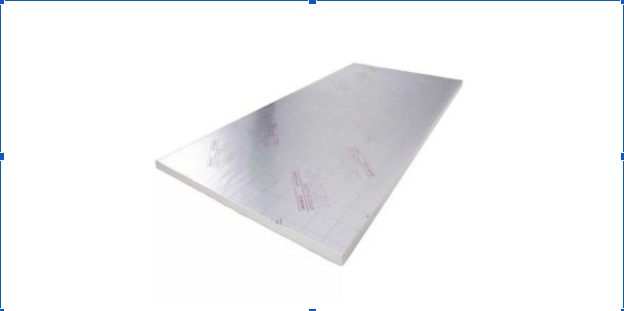
Among the available options, PIR insulation is widely recognised for its excellent thermal conductivity and ability to deliver high insulation performance within relatively slim board profiles. This makes it particularly suitable for projects where maximising internal space is an important design consideration.
Its versatility also allows it to be used across a variety of construction elements, making it a practical solution for both residential and commercial developments.
Applications Throughout the Building Envelope
High-performance insulation boards are suitable for numerous areas of a building, allowing designers to develop comprehensive thermal strategies using compatible materials.
Common applications include:
- External walls
- Cavity walls
- Ground floors
- Suspended timber floors
- Flat roofs
- Pitched roofs
- Loft conversions
- Internal wall systems
Using insulation consistently throughout the building envelope helps reduce unwanted heat transfer while supporting improved energy efficiency across the entire property.
Careful detailing around windows, doors, junctions, and service penetrations also contributes significantly to long-term thermal performance.
Choosing Reliable Insulation Products
When selecting insulation materials, contractors and specifiers often look for products that combine strong thermal performance with dependable quality and recognised certification.
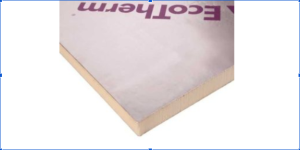
Ecotherm insulation products have become a trusted choice across residential, commercial, and refurbishment projects because they provide reliable thermal efficiency while remaining suitable for multiple building applications. Their consistent manufacturing quality helps simplify installation and supports the achievement of demanding energy-performance targets.
Products supported by independent certification also provide additional confidence during specification, allowing architects and building control professionals to verify compliance more efficiently.
Installation Quality and Building Performance
Even the highest-performing insulation products depend on careful installation to deliver their full benefits.
Boards should be installed tightly together with minimal gaps to reduce thermal bridging. Accurate cutting and careful fitting around structural elements help preserve insulation continuity, while proper sealing improves the effectiveness of the overall building envelope.
Good installation practices provide several long-term advantages:
- Improved thermal efficiency
- Reduced air leakage
- Greater indoor comfort
- Lower operating costs
- Better long-term durability
Investing time in correct installation often results in improved building performance throughout the property’s lifespan.
Supporting Modern Building Regulations
Energy efficiency standards continue to evolve as governments seek to reduce carbon emissions and improve the sustainability of new buildings.
Insulation plays a central role in meeting these objectives by reducing heat loss through the building fabric. Products supported by recognised technical certification simplify compliance with building regulations while providing reassurance regarding published performance values.
Design professionals frequently specify insulation materials that have undergone independent testing, helping ensure construction projects satisfy both regulatory requirements and client expectations.
Long-Term Energy Savings
Although insulation represents an initial investment during construction, its long-term financial benefits are considerable.
Effective thermal insulation reduces demand on heating and cooling systems, resulting in lower energy bills throughout the life of the building. Reduced energy consumption also contributes to lower carbon emissions, supporting broader environmental goals and improving overall building sustainability.
Many modern developments prioritise insulation solutions that continue performing consistently for decades with minimal maintenance, making durability an important part of the selection process.
Later in the specification stage, many contractors continue selecting PIR insulation because it delivers outstanding thermal performance across a wide variety of building applications. Likewise, Ecotherm insulation remains a dependable solution for projects requiring consistent quality, recognised certification, and reliable long-term efficiency.
Conclusion
High-quality insulation is one of the most effective ways to improve the energy performance of modern buildings. Careful product selection, accurate installation, and consideration of long-term thermal efficiency help create comfortable, sustainable properties with lower operating costs. By focusing on reliable materials and sound construction practices, builders and designers can deliver buildings that continue to perform efficiently for many years. Insulation Point Limited supplies a comprehensive range of high-performance insulation products, helping contractors, developers, and homeowners achieve reliable thermal performance and long-lasting building efficiency.